social template

Open Graph Image API

Send page title and metadata as JSON, get back a 1200x630 PNG sized for og:image tags.

Prefer to try it in your browser first? Open the Open Graph Image tool.

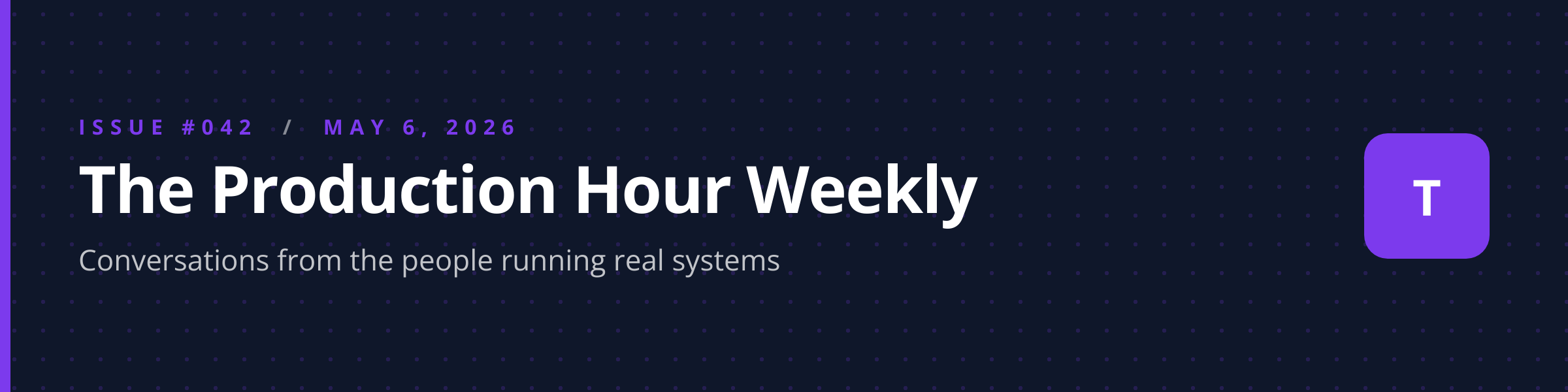
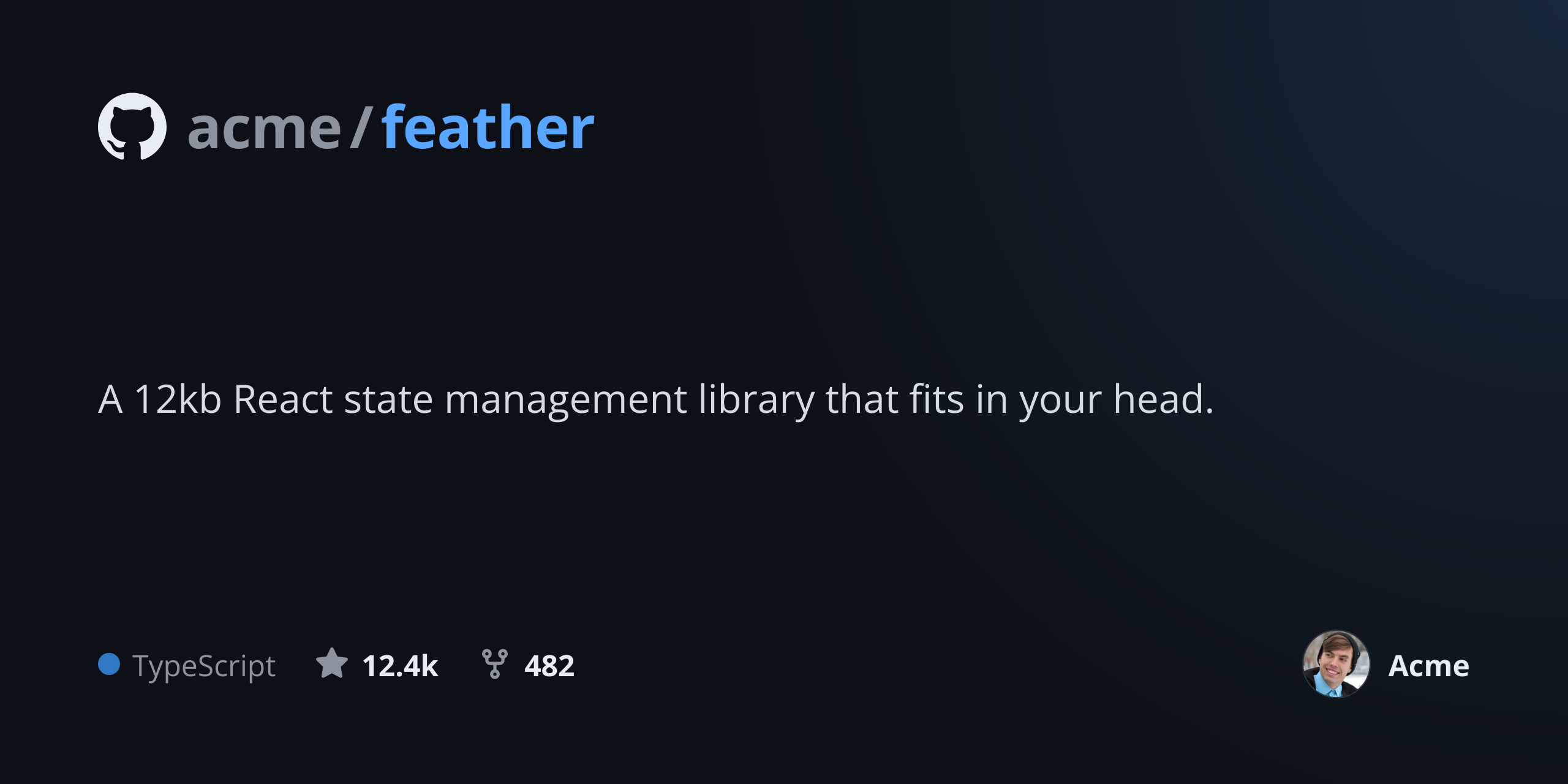
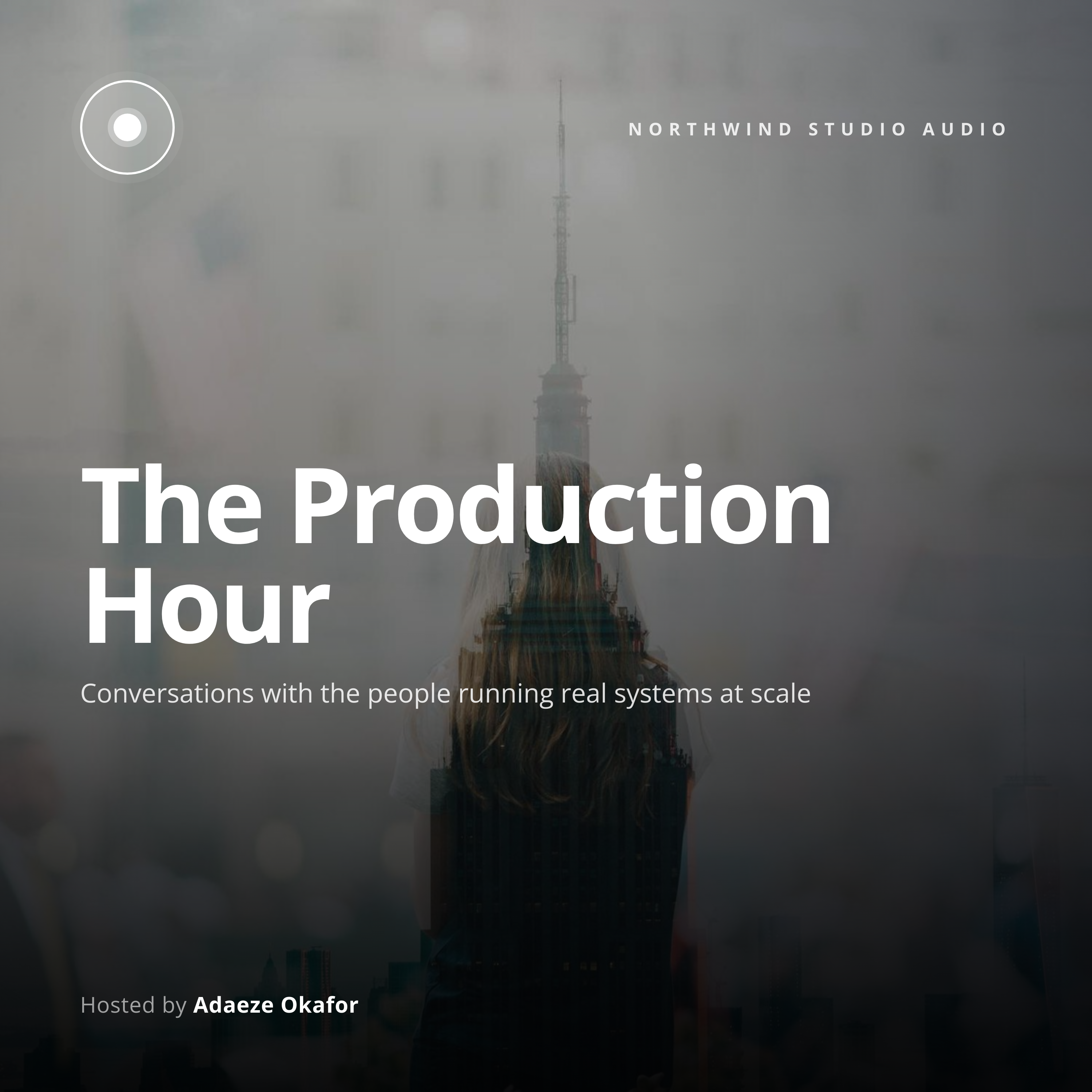
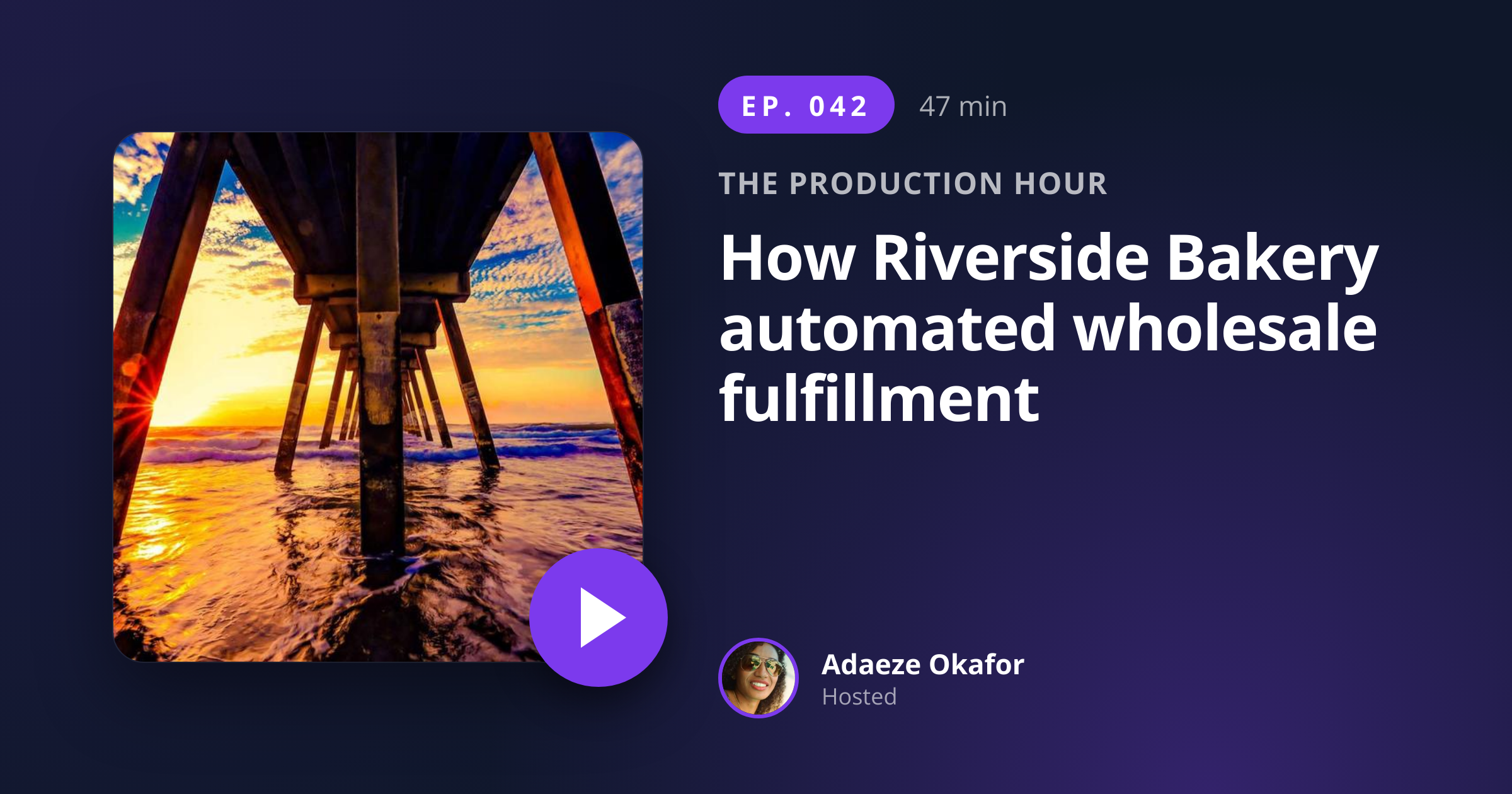
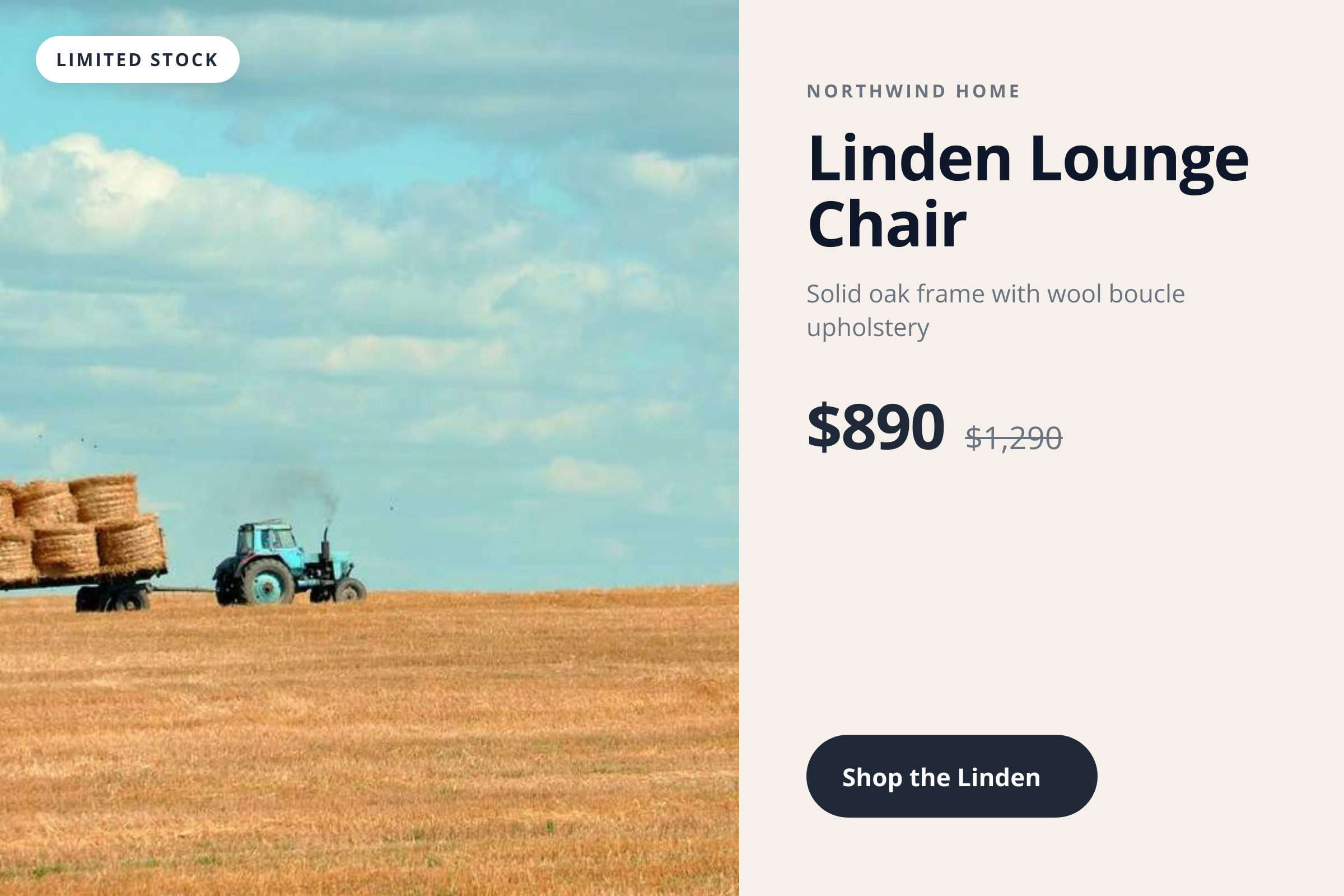
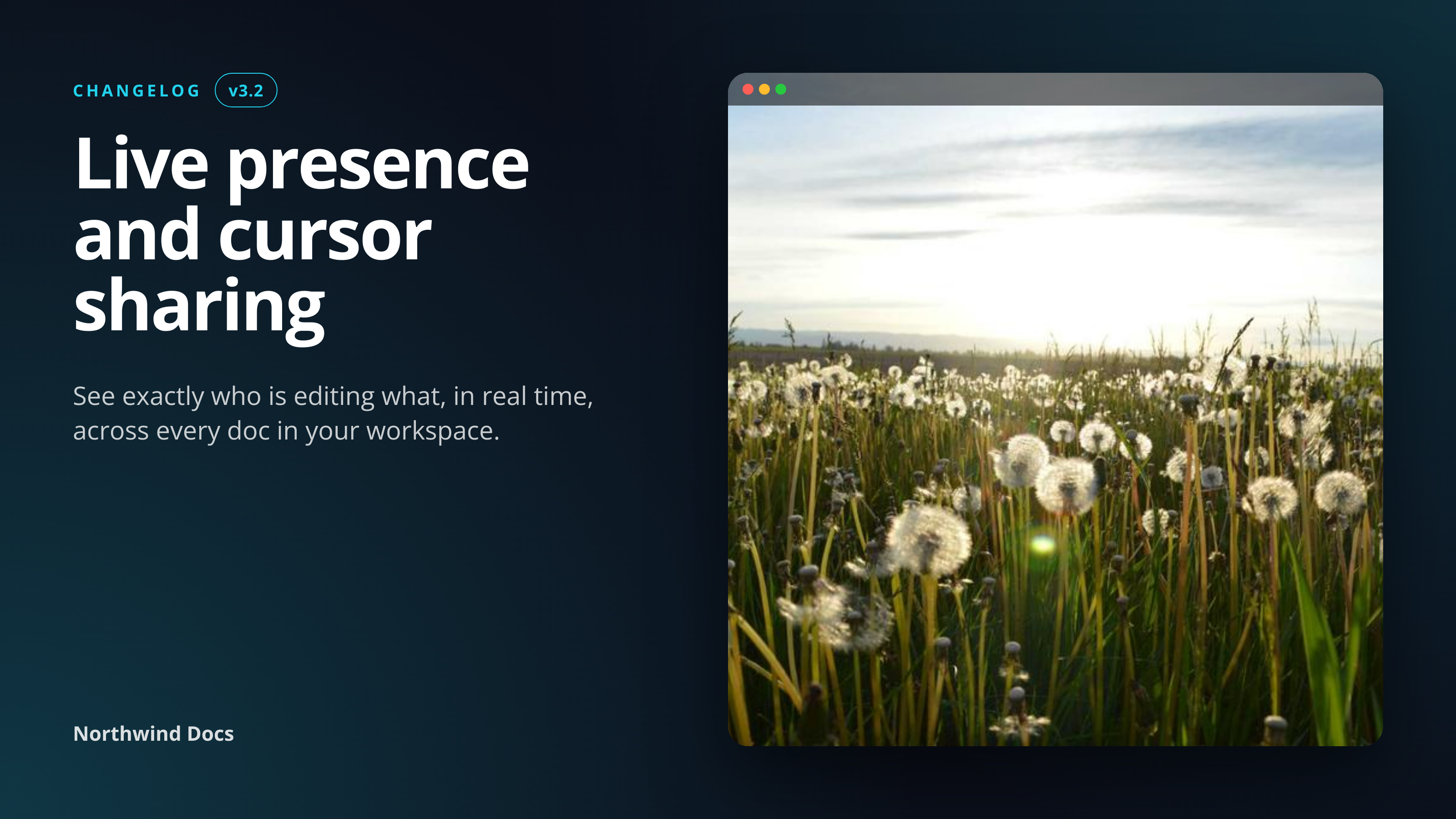
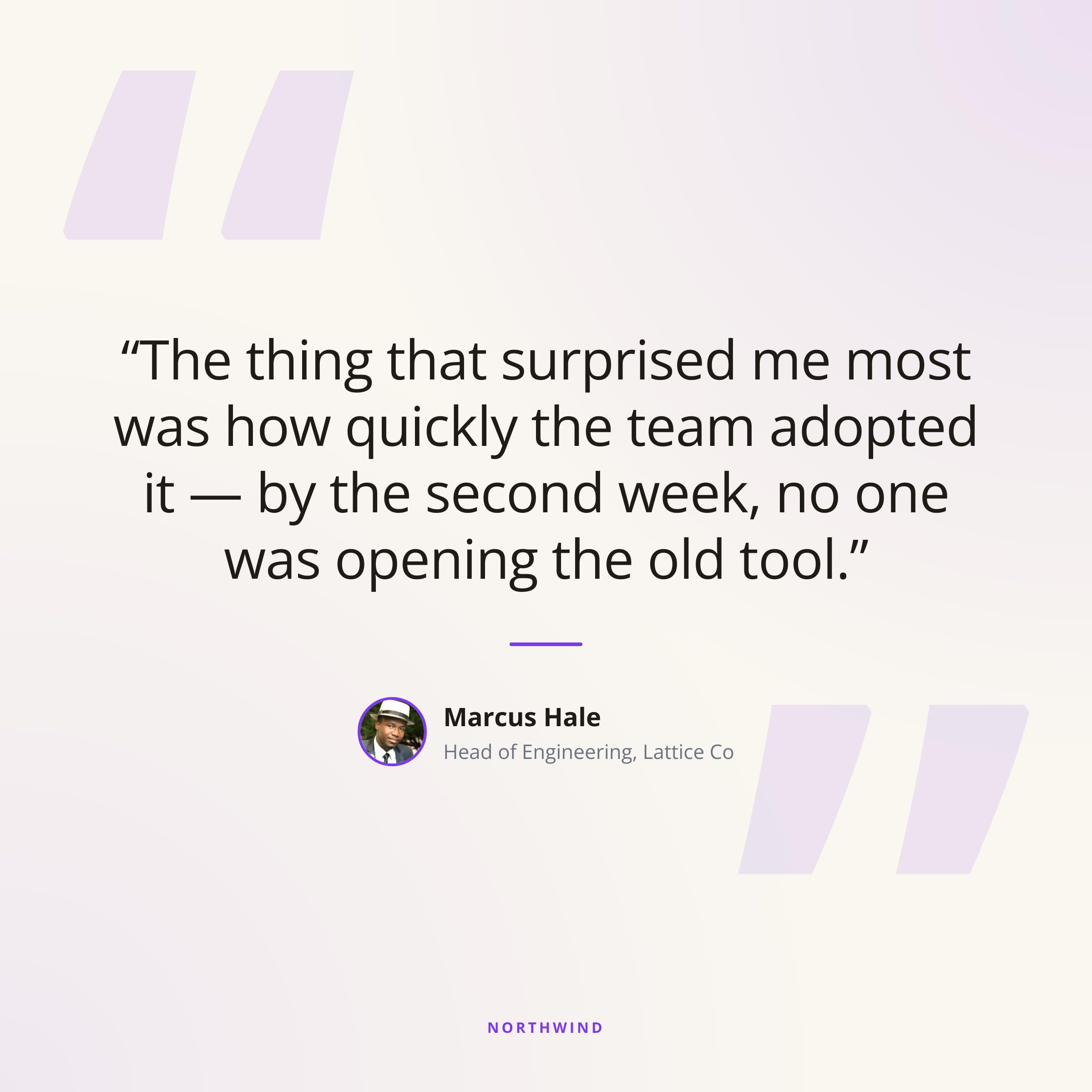
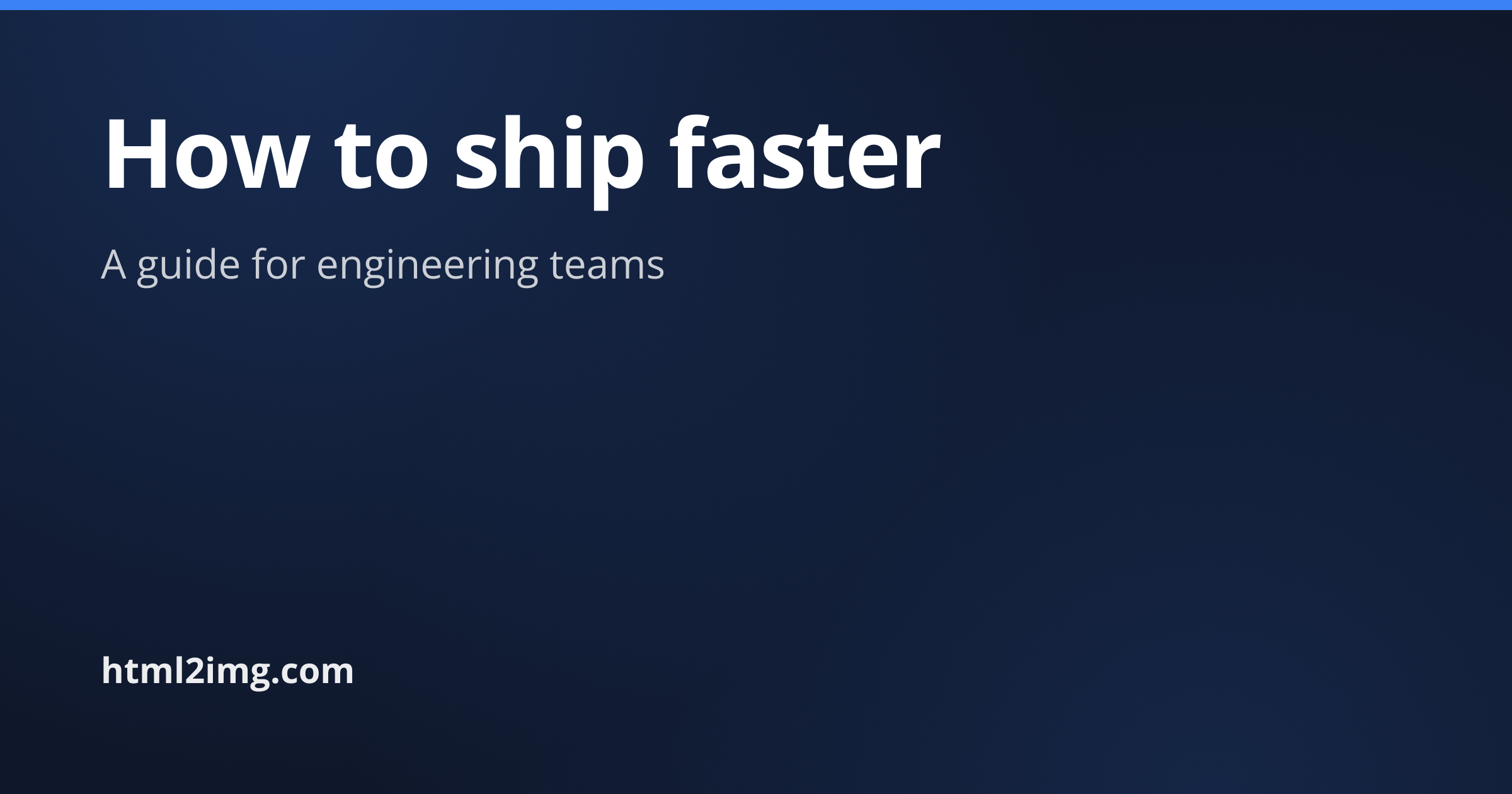
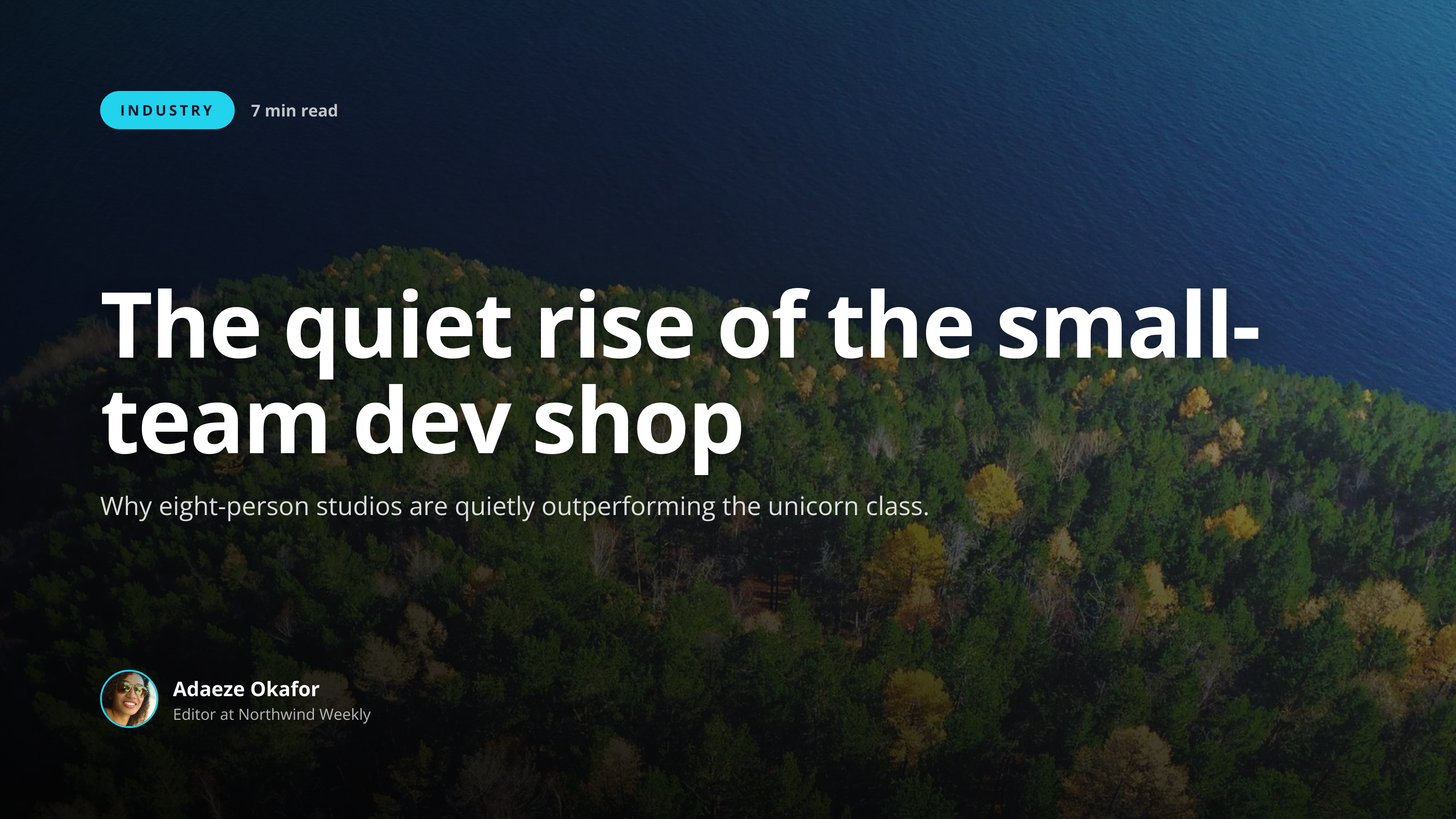
Open Graph Image template preview, a social image generated by the HTML to Image API

Marketing engineers and content tools use the Open Graph Image API to ship a unique share card for every page on a site without booking design time per URL. The 1200x630 ratio is the ogp.me recommendation, and the same file unfurls cleanly on Facebook, LinkedIn, Slack, Discord, and X. You post the title, subtitle, and brand details as JSON, and the response holds a PNG you can reference from the og:image meta tag in the page head.

API reference

View the Open Graph Image API reference

Inputs, defaults, error responses and cURL, PHP, Node and Python code samples.

Read the docs →

Use cases

Blogs auto-generating per-post OG images

Editorial sites with hundreds of posts cannot design a unique OG card for every URL. Hook the publishing flow into a webhook, post the title and category to the endpoint, and store the URL as the post's og_image meta. New posts get fresh share artwork on first publish, and historical posts can be backfilled with a single migration script. Northwind Weekly backfilled 1,400 archived posts in 11 minutes through this pipeline.
SaaS marketing pages with dynamic share cards

A pricing page, a feature page, and a docs landing all benefit from individual OG cards rather than one stock site image. Render at build time during your Next.js or Astro build, cache the URL on the page, and the same card serves every share without runtime calls. Halberd Software produces 80 OG variants per release and the marketing site's social click-through rate climbed 35 percent after the rollout.

Documentation sites with per-page OG previews

Doc pages benefit from share previews that show the topic rather than a generic logo. Render once per page during the build, embed in the head, and Algolia DocSearch results that surface in chat unfurl with a card matching the actual content. Wren Analytics' API reference renders one OG card per endpoint and the doc site sees 12 percent more shares from inside customer Slacks.

Link-in-bio tools

Linktree-style platforms that aggregate creator links benefit from OG cards that reflect the creator's brand rather than the platform's. Render with the creator's name, accent_color, and avatar, and the share card shows their identity rather than a generic platform logo. Linden & Co built this for 2,400 creators on its bio platform, and creator referrals grew because shared links unfurl with the creator's branding.

AI-generated content platforms branding shared output

AI tools that produce content for users (essays, summaries, briefs) benefit from share cards that show the user's prompt or topic. Generate one OG card per output, attached to the public URL, and the shared content carries identifying context rather than a generic platform name. Riverside Bakery's recipe generator uses this for every saved recipe URL.

Output specifications

Dimensions
1200x630
Color space
sRGB
Transparency
Not supported
File size range
60 KB to 180 KB

Matches the spec at Open Graph Protocol image specification.

How it works

1

Send a JSON payload

POST to the template endpoint with the values you want rendered. Authenticate with your API key.

2

We render the image

The template is rendered server-side as a 1200x630 PNG.

3

You get back a URL

Cache it, embed it in your page, attach it to an email.

Quick example

A single cURL call to render a Open Graph Image as a PNG:

curl -X POST https://app.html2img.com/api/v1/templates/open-graph-image \
  -H "X-API-Key: YOUR_API_KEY" \
  -H "Content-Type: application/json" \
  -d '{"title":"How to ship faster","subtitle":"A guide for engineering teams","author_name":"html2img.com","background_color":"#0F172A","accent_color":"#3B82F6"}'

For the full PHP, Node and Python equivalents, plus every input the template accepts, see the Open Graph Image API reference. Setting up your key is covered in the authentication guide.

Common pitfalls

Facebook caches OG images aggressively

You update the OG image but Facebook still shows the previous render for hours. Force a refresh with the Sharing Debugger by re-scraping the URL, or change the og:image URL itself by appending a cache-busting query string when content changes.

Images over 8 MB rejected by Facebook

Hi-DPI renders at 2x or 3x can exceed Facebook's file-size cap, and Facebook silently falls back to a generic preview. Keep the rendered file under 8 MB by sticking with default DPI and letting compression do the work.

Missing og:image:width and og:image:height tags

Some platforms fall back to a generic preview when only og:image is present. Add og:image:width and og:image:height meta tags with 1200 and 630 alongside the image URL, so platforms reserve the right space immediately during the unfurl.

Inputs at a glance

A quick summary of what the Open Graph Image template accepts. The full reference, with example values and array shapes, is in the docs.

Name Type Required
title string Required
subtitle string Optional
author_name string Optional
author_avatar_url url Optional
logo_url url Optional
background_color string Optional
accent_color string Optional

See the full inputs reference for descriptions, examples and validation rules.

Related templates

Other templates in the content and marketing category.

Browse by category

A starting point from each of the other two template categories.

See the full template gallery for every design grouped by category.

Related guides

FAQ

Try it free

25 renders a month on the free tier. See the pricing page for higher-volume plans.